Denver Bicycle Accident Lawyer on Negotiating Fair Compensation for Cyclists
@donovanxjcm410
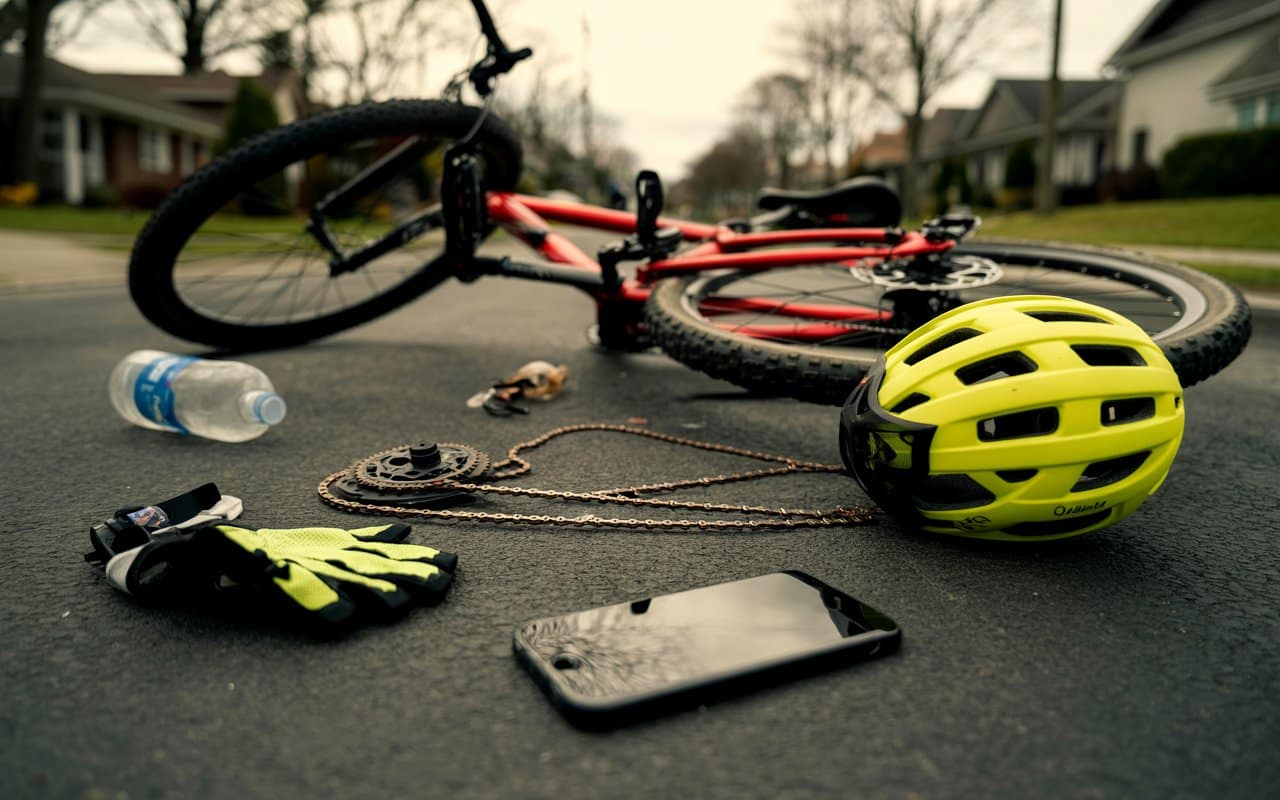

A bicycle crash is rarely just a collision. For the rider, it is often a broken routine, a damaged sense of safety, weeks or months of medical appointments, and a stack of bills that grows long before the insurance company gives a straight answer. The legal side can become just as exhausting as the physical recovery. That is where a seasoned Bicycle Accident Lawyer Denver cyclists trust can make a real difference, not by making dramatic promises, but by knowing how to value the claim correctly and negotiate from a position of evidence.
Fair compensation in a bicycle accident case is not simply whatever number sounds generous in the first phone call. It is the amount that reflects what the crash actually cost, including losses that do not fit neatly on a receipt. In practice, negotiating that number takes preparation, timing, and a sharp understanding of how insurers evaluate risk. Cyclists often start at a disadvantage because adjusters still carry old assumptions about bikes, road use, and rider behavior. Good advocacy dismantles those assumptions one by one.
Why bicycle injury claims are often undervalued
Insurance companies handle bicycle cases differently than standard car wreck claims, even when the injuries are more severe. A low speed impact that leaves a driver with a dented bumper can send a cyclist to the emergency room with a fractured clavicle, a concussion, road rash deep enough to scar, or a wrist injury that limits grip strength for months. The lack of physical protection changes everything. Yet many early settlement offers still focus more on visible property damage than the human cost of the impact.
There is also a perception problem. Some adjusters, and sometimes jurors, assume cyclists take on extra risk simply by riding in traffic. That mindset can quietly influence negotiations. It shows up in comments about bright clothing, lane position, hand signals, or whether the rider could have done more to avoid the crash. None of that should excuse a negligent driver, but those arguments appear often enough that a lawyer must anticipate them early.
Denver adds its own complications. The city has more riders on the road than it did a decade ago, more designated bike infrastructure, and more mixed traffic patterns where drivers, rideshare vehicles, delivery vans, scooters, pedestrians, and cyclists all compete for space. Many serious collisions happen at familiar points of friction: right turns across bike lanes, dooring incidents in dense urban corridors, left turns at intersections, and rear end impacts where a driver says they simply did not see the rider. Those facts matter because they shape the liability story, and the liability story drives settlement value.
What fair compensation actually means
The phrase sounds simple, but fair compensation is made of several moving parts. Medical bills are only the beginning. A cyclist may need imaging, orthopedic care, neurological follow up, physical therapy, occupational therapy, follow up visits for persistent headaches, and sometimes psychological treatment for anxiety after returning to the road. A rider with a shoulder injury can feel the effects for a year. A rider with a traumatic brain injury may struggle with concentration long after the fractures have healed.
Lost income can be straightforward for a salaried employee who misses two weeks of work. It gets harder when the injured person is self employed, works construction, picks up shifts, relies on commissions, or uses a bicycle as part of their livelihood. In those cases, negotiating fair compensation means proving not only time missed, but opportunity lost. A carpenter who cannot lift overhead, a nurse who cannot safely complete twelve hour shifts, or a restaurant worker who cannot stand for long periods may lose far more than a pay stub suggests.
Then there are the non economic losses. Pain, sleep disruption, physical limitation, embarrassment from scarring, and the loss of activities that defined daily life are all real damages. These are often the most contested part of a bicycle claim because they are subjective. A lawyer has to translate the lived reality into something a claims adjuster, mediator, or jury can understand. It helps to be concrete. A rider who used to bike from Washington Park to Cherry Creek every Saturday but now avoids traffic entirely presents a more persuasive picture than a generic statement about reduced enjoyment of life.
Property loss matters too, especially for serious riders. A quality road bike, gravel bike, or commuter e bike can cost several thousand dollars before adding wheels, pedals, helmet, cycling computer, lights, shoes, and custom fit components. Insurance carriers sometimes treat the bicycle as an afterthought. Anyone who has ever paid to replace a carbon frame knows better.
The first weeks after the crash shape the negotiation
Most strong settlements are built early, often before the demand letter is drafted. The first photographs, the first medical records, the first witness statements, and the first description of how the collision happened tend to echo throughout the case. If those details are thin or inconsistent, the insurer has room to minimize the claim.
This is one reason cyclists should be careful when speaking with an adjuster soon after a crash. Injured people often downplay symptoms. Adrenaline masks pain. A rider may say they are feeling okay, only to develop neck stiffness, headaches, or nerve symptoms the next day. Once that casual statement is in the file, it becomes a tool for the defense. The issue is not hiding anything. It is avoiding premature certainty before the medical picture is clear.
Documentation can make an enormous difference in negotiations. Photos of the scene, skid marks, the bike’s point of impact, helmet damage, torn clothing, bruising over time, and street layout all help explain force and mechanics. In one common scenario, a driver insists the cyclist came out of nowhere. A single image showing the rider’s clear line of travel within a marked lane can undercut that claim more effectively than three pages of argument.
Medical treatment patterns matter as well. Gaps in care can be used to argue that the https://judahtanj171.image-perth.org/can-a-denver-bicycle-accident-lawyer-help-if-the-driver-was-uninsured injuries resolved quickly or were not significant. That does not mean someone should undergo unnecessary treatment. It means following medical advice, attending recommended appointments, and making sure symptoms are reported accurately and consistently.
Negotiation starts with liability, not sympathy
A lot of injured cyclists assume the severity of the injury will drive the settlement. It helps, but only after liability is established. Insurance companies do not pay top value on a claim if they believe they have a strong argument on fault. Before any serious discussion of compensation, the lawyer needs to build a convincing account of why the driver was legally responsible.
That often requires more than a police report. Officers do important work, but they arrive after the event, and bicycle crash reports are not always complete. Witness interviews, surveillance footage from nearby businesses, vehicle damage analysis, bike damage analysis, and scene reconstruction can all strengthen the liability picture. In Denver, where many intersections and commercial corridors have cameras nearby, acting quickly can preserve footage that might otherwise be overwritten.
Colorado fault rules also matter. If the defense can shift part of the blame to the cyclist, that can reduce recovery and, in some situations, threaten the claim entirely. That is why lane position, visibility, traffic signals, speed, and rider conduct receive so much attention. Negotiating effectively means confronting those issues directly rather than pretending they do not exist. If a cyclist was not using lights at dusk, for example, that fact has to be addressed with judgment and context. It may matter, but it does not automatically excuse a driver who turned across the rider’s path without yielding.
The value of a bicycle case often emerges slowly
One of the hardest parts of settlement negotiation is timing. Insurance carriers often make an early offer before treatment is complete. The pitch sounds practical: avoid stress, get money now, move on. For someone with medical bills and a damaged bike, that can be tempting. It is also where many claims are sold short.
A fair bicycle injury settlement usually cannot be evaluated until the medical course is better understood. Some injuries improve quickly. Others linger in frustrating ways. A wrist fracture may heal on imaging but still limit weight bearing through the handlebars. A concussion may not require surgery, yet interfere with work, reading, screens, and sleep for months. Shoulder injuries are notorious for this. A rider may regain basic function and still be unable to ride safely, lift overhead, or return to previous training levels.
Experienced lawyers often wait until the client reaches a point where future needs can be assessed with some confidence. That does not always mean the person is fully healed. It means there is enough information to estimate likely future treatment, restrictions, and prognosis. Settling before that point can leave money on the table, especially where surgery remains possible or symptoms have not stabilized.
How a lawyer builds pressure during negotiations
Most settlement leverage comes from preparation. Insurers pay more when they believe the other side can prove the case at trial. That pressure is created long before anyone enters a mediation room.
A strong demand package usually tells a disciplined story. It shows how the crash happened, why the driver is at fault, what the injuries were, how treatment unfolded, what the rider lost financially, and how daily life changed. The best ones are not bloated. They are specific. They connect records to reality.
For example, saying a cyclist suffered a clavicle fracture is accurate but incomplete. Explaining that the rider could not dress without help for three weeks, slept in a recliner because lying flat was too painful, missed a planned work trip, and postponed caring for a young child paints a fuller picture. Those details are not theatrics. They are how injury is actually lived.
Negotiation strategy also involves knowing when to withhold and when to reveal. If the defense has not yet seen persuasive video footage, the timing of disclosure can influence posture. If the records show a clear worsening after a failed course of therapy, presenting that chronology cleanly can justify a higher number. If the insurer is clinging to an unrealistic view of the case, filing suit may be the step that changes the conversation.
Common defense themes in Denver bicycle cases
Certain arguments appear so often that they are almost predictable. A Bicycle Accident Lawyer Denver riders hire should expect them and prepare the response early.
One frequent theme is conspicuity. The defense may argue the cyclist wore dark clothing, had inadequate lighting, or blended into traffic. Another is unpredictability, where the driver claims the cyclist swerved, rode too fast, or entered the lane unexpectedly. A third is rule compliance, focusing on stop signs, signaling, or lane use. Sometimes the insurer will point to prior injuries and say the rider’s neck pain, back pain, or headaches were pre existing and not caused by the crash.
These arguments are not always frivolous. Sometimes there are real factual wrinkles. The key is separating a meaningful issue from a distraction. If a rider had previous shoulder pain but was working, training, and riding normally before the collision, and needed surgery after it, the timeline matters. If the rider was visible in a marked lane and the driver turned across that lane, clothing color may be little more than noise.
Serious injuries require a broader damages picture
Not every bicycle case involves catastrophic harm, but when it does, negotiation becomes more technical and more demanding. Traumatic brain injuries, complex fractures, spinal injuries, and cases involving permanent impairment require a deeper damages analysis. Future care, reduced earning capacity, vocational limitations, and long term pain management can become major components of value.
These claims sometimes call for input beyond treating physicians. Economists, life care planners, vocational experts, and medical specialists may be needed in larger cases. That does not mean every serious claim has to be litigated through trial. It means the lawyer must be capable of presenting the future cost of injury in a credible, grounded way. A weak projection can sink a strong case. So can an exaggerated one. Insurers are quick to attack numbers that look inflated or speculative.
There is also a psychological component in severe bicycle cases that deserves attention. Riders who once saw cycling as freedom can develop real fear around traffic, intersections, or descending at speed. Some stop riding altogether. Others return physically but not mentally. That loss may not show up on a hospital invoice, but it belongs in the case when it is genuine and documented.
Settlement is not just a number on paper
A fair result also depends on what happens after the gross settlement is negotiated. Medical liens, health insurance reimbursement claims, and case costs can substantially affect what the injured cyclist actually receives. A good negotiator does not stop once the insurer agrees to pay. Reducing liens or challenging inflated reimbursement demands can materially improve the client’s net recovery.
This is one area where experience shows. Two settlements with the same headline figure can produce very different outcomes for the rider. If one lawyer negotiates aggressively with lienholders and structures the resolution thoughtfully, the client may keep significantly more. It is not the glamorous part of the case, but it matters.
Timing can matter here too. Some clients need money quickly and may prefer a certain, reasonable settlement over a longer fight with uncertain upside. Others, especially in high value cases, are better served by patience. There is no universal rule. The lawyer’s job is to explain the trade offs clearly and let the client make an informed decision.
What cyclists can do to protect their claim
The legal strategy starts with facts, but clients still influence the strength of their case through ordinary decisions made after the crash. Practical discipline helps.
- Get medical care promptly and describe symptoms honestly.
- Preserve the bicycle, helmet, clothing, and any damaged gear.
- Avoid posting about the crash or physical activity on social media.
- Keep records of missed work, out of pocket expenses, and recovery problems.
- Speak cautiously with insurance representatives before giving recorded statements.
None of that guarantees a high settlement, but each step makes it easier to prove what happened and what the injuries cost. I have seen cases turn on something as mundane as a saved helmet with a visible crack that matched the rider’s account of striking the pavement.
Choosing a lawyer who understands cyclists, not just injury claims
Bicycle cases benefit from a lawyer who understands how cyclists actually ride and how bike crashes occur. That sounds obvious, but it matters. A lawyer familiar with dooring, hook turns, lane positioning, sight lines, and the mechanics of riding in city traffic will spot issues that others miss. They will also know when a defense argument sounds plausible to a non rider but falls apart under scrutiny.
The best lawyers in this space are also careful about overpromising. No honest attorney can guarantee a settlement amount in the first meeting. What they can do is identify the pressure points, explain where value may come from, warn you about weaknesses, and lay out a realistic plan. Professional judgment shows up as restraint as much as confidence.
For injured cyclists in Denver, fair compensation is rarely handed over because the injuries are obvious or the crash seems unfair. It is negotiated, documented, and fought for. The process can be frustrating, especially when the rider is trying to heal at the same time. But a well prepared case changes the balance. It forces the insurer to confront the full story, not the simplified version that leads to low offers.
That is the real role of a Bicycle Accident Lawyer Denver clients can rely on. Not to turn every claim into a courtroom battle, and not to manufacture drama, but to make sure the value of the case reflects the reality of the harm. When that happens, settlement becomes more than a transaction. It becomes a practical step toward putting life back together after a crash that never should have happened.